

Finding bed bugs in a rental is stressful, and the first thing most people ask us is: who pays for this? In Ontario, the short answer is the landlord. But tenants have real responsibilities too, and knowing them can be the difference between a problem that’s solved in weeks and one that drags on for months.
It’s a common problem here. Toronto topped Orkin Canada’s list of Canada’s most bed bug-ridden cities for the seventh year in a row, with Scarborough, North York and Etobicoke also on the list. This guide covers what Ontario law and Toronto’s rules say, in plain language. It is general information, not legal advice.
Who Is Responsible for Bed Bugs in an Ontario Rental?
Ontario’s Landlord and Tenant Board is clear that a landlord must keep a rental in a good state of repair and must take steps to control pests. That applies whether you rent a condo, a basement apartment or a unit in a big building, and it applies no matter how the bed bugs got in.
Some leases include a clause saying the tenant pays for pest control. Clauses like that generally can’t override the Residential Tenancies Act, so they’re usually unenforceable. If a landlord believes a tenant caused a problem, the proper route is an application to the Board, not a surprise invoice.
What Toronto’s RentSafeTO Rules Add for Apartment Buildings
If you live in an apartment building covered by RentSafeTO, the City’s building owner requirements go further. Owners must:
- inspect any area within 72 hours of receiving information about pests;
- hire a professional pest control company licensed by the Ministry of Environment, where required;
- keep pest management records and post them on the tenant notification board;
- tell tenants ahead of time how to prepare their unit for treatment; and
- stop renting units that have pests to new tenants.
Toronto Public Health also works with landlords to respond to bed bug complaints where there may be a health hazard.
What Tenants Need to Do
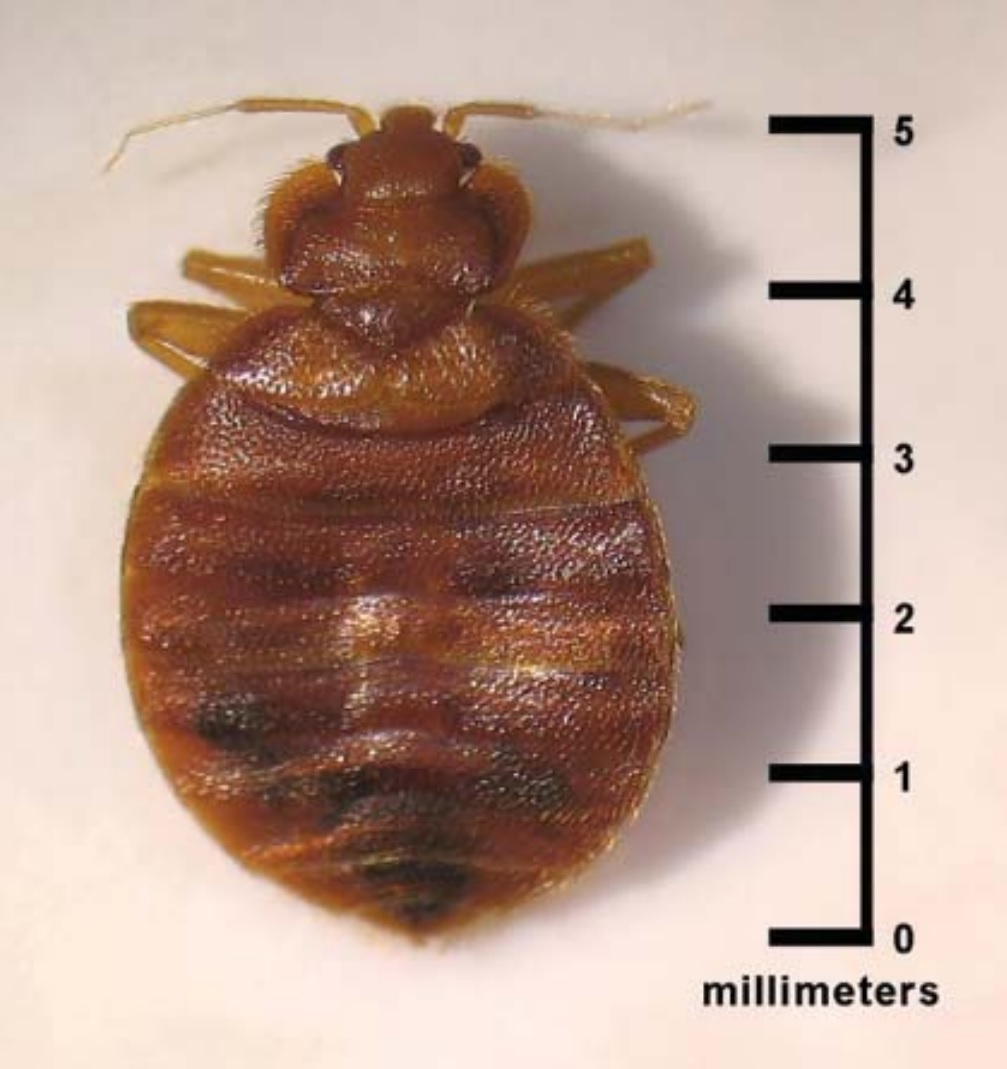
Your job is to report the problem quickly and help the treatment work. Here’s what that looks like in practice:
- Confirm it’s really bed bugs. Bites alone don’t prove it, because flea and mosquito bites look similar. Try to catch a bug on clear tape or in a sealed bag. Our guide to spotting and identifying bed bugs shows what to look for.
- Tell your landlord in writing. The Landlord and Tenant Board says the first step is to ask the landlord, in writing, to fix the problem. Keep a copy of your email or letter, plus photos.
- Prepare your unit when asked. You must allow the landlord to treat your unit. Follow the prep sheet, which usually means bagging clothes, emptying cabinets and pulling furniture away from walls.
- Keep paying rent. Withholding rent can put your tenancy at risk, even if the landlord is slow to act.
- Escalate if nothing happens. In Toronto, call 311 to submit a service request. You can also file a Form T6 (Tenant Application about Maintenance) with the Landlord and Tenant Board.
On a T6, the Board can order repairs, reduce your rent, order the landlord to pay for damaged belongings, and let you pay rent to the Board until the case is decided.
What Landlords and Property Managers Should Do
Act fast. Bed bugs spread through walls, hallways and shared laundry, so a slow response usually means more units to treat later. Inspect promptly, use a licensed operator where your building requires one, check the units beside, above and below, and keep written records of every inspection and treatment. Give tenants clear prep instructions and enough time to follow them.
A tenant who refuses to cooperate is a separate issue. The Board can deal with tenants who seriously interfere with pest control, but that is a last resort, not a first step.
Where a DIY Heat Treatment Fits
We rent bed bug heater kits, so we’ll be honest about when they make sense. If you rent your home, talk to your landlord before you treat anything yourself, because pest control is their responsibility and your building may have a pest management plan you need to follow.
A heater rental is a good fit for homeowners, condo owners, small landlords with a house or basement unit, and tenants whose landlord agrees to it. Heat reaches eggs and adults hiding in furniture and cracks without chemicals. Our kit has 2 Elite 4 heaters, a fan, cords, power distribution boxes and a thermal gun, from $200 for one day (up to 2 rooms) or $375 for two days (up to 4 rooms). See the rental packages or our guide to treating bed bugs in a Toronto condo.
Bed Bugs in Toronto Rentals: FAQ
Can my landlord make me pay for bed bug treatment in Ontario?
Generally, no. The Landlord and Tenant Board says a landlord must take steps to control pests. Lease clauses that move pest control onto the tenant are generally considered unenforceable under the Residential Tenancies Act. A landlord who believes a tenant caused damage can apply to the Board, but they cannot simply bill you.
Can I stop paying rent until the bed bugs are gone?
No. The Landlord and Tenant Board says tenants should not withhold rent, even when maintenance is poor. If you file a T6 maintenance application, you can ask the Board to let you pay rent to the Board instead of the landlord until your case is decided.
How fast does a Toronto landlord have to act?
In buildings covered by RentSafeTO, the City says owners must inspect within 72 hours of receiving information about pests and must take measures to eliminate them. For other rentals, the law requires the landlord to act within a reasonable time.
Who do I call in Toronto if my landlord ignores bed bugs?
Put your request in writing first. If nothing happens, call 311 to submit a service request. Toronto Public Health works with landlords on bed bug complaints that may be a health hazard. You can also file a T6 application with the Landlord and Tenant Board.
Do I have to prepare my apartment for treatment?
Yes. Tenants must allow the landlord to treat the unit and must cooperate with the preparation, such as emptying cabinets and moving furniture away from walls. If you have a disability that makes prep hard, tell your landlord early.
This article is general information about Ontario rules as of November 2026, not legal advice. For your situation, contact a community legal clinic or the Landlord and Tenant Board.