
Every week someone sends us a blurry photo of a tiny brown bug and asks the same question: is this a bed bug? Sometimes it is. Often it isn’t. Before you spend money on a heater rental or an exterminator, it’s worth making sure, because a few common Toronto bugs look a lot like bed bugs and need a completely different fix.
Here’s how to tell bed bugs apart from the bugs people most often mistake them for in GTA homes, apartments and condos.
What a Real Bed Bug Looks Like
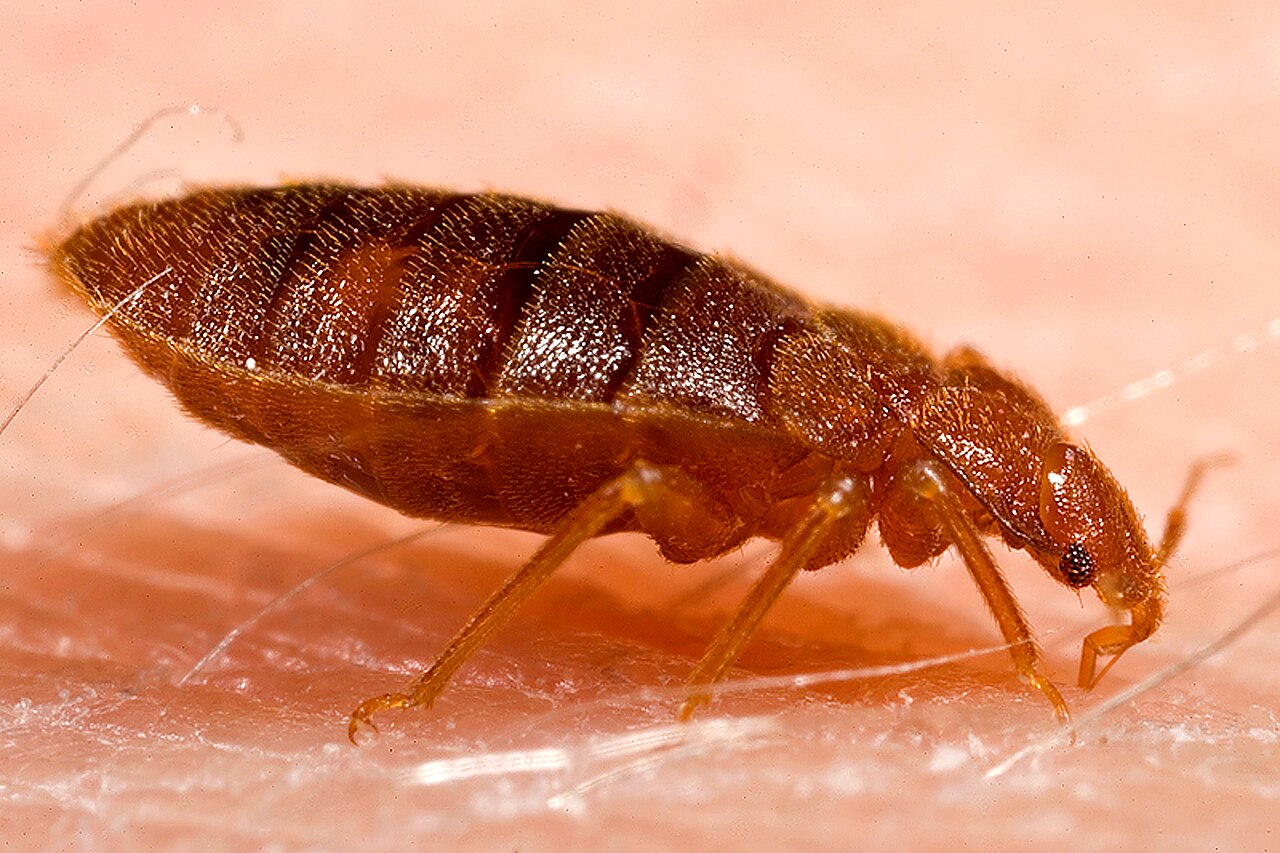
According to Health Canada, adult bed bugs are up to 10 mm long, with a flat, oval body and a wide head. They’re brown, and they turn deep red after feeding. Young bed bugs (nymphs) are about 1.5 mm and lighter in colour, and the eggs are white and about 1 mm long, so they’re very hard to see.
Three habits help identify them:
- They stay close to where people sleep. Look in mattress seams, box springs, bed frames, night tables, behind picture frames and in electrical outlets near the bed.
- They can’t fly or jump. Health Canada notes they also struggle to climb metal or polished surfaces.
- They feed at night. Bites can take up to 14 days to show up, and some people never react at all.
Bites are the weakest clue. Flea and mosquito bites look similar, so you need to find the bug itself, or signs like small dark spots and shed skins along mattress seams. Our guide to spotting and identifying bed bugs has more photos and tips.
Bat Bugs: The Closest Look-Alike
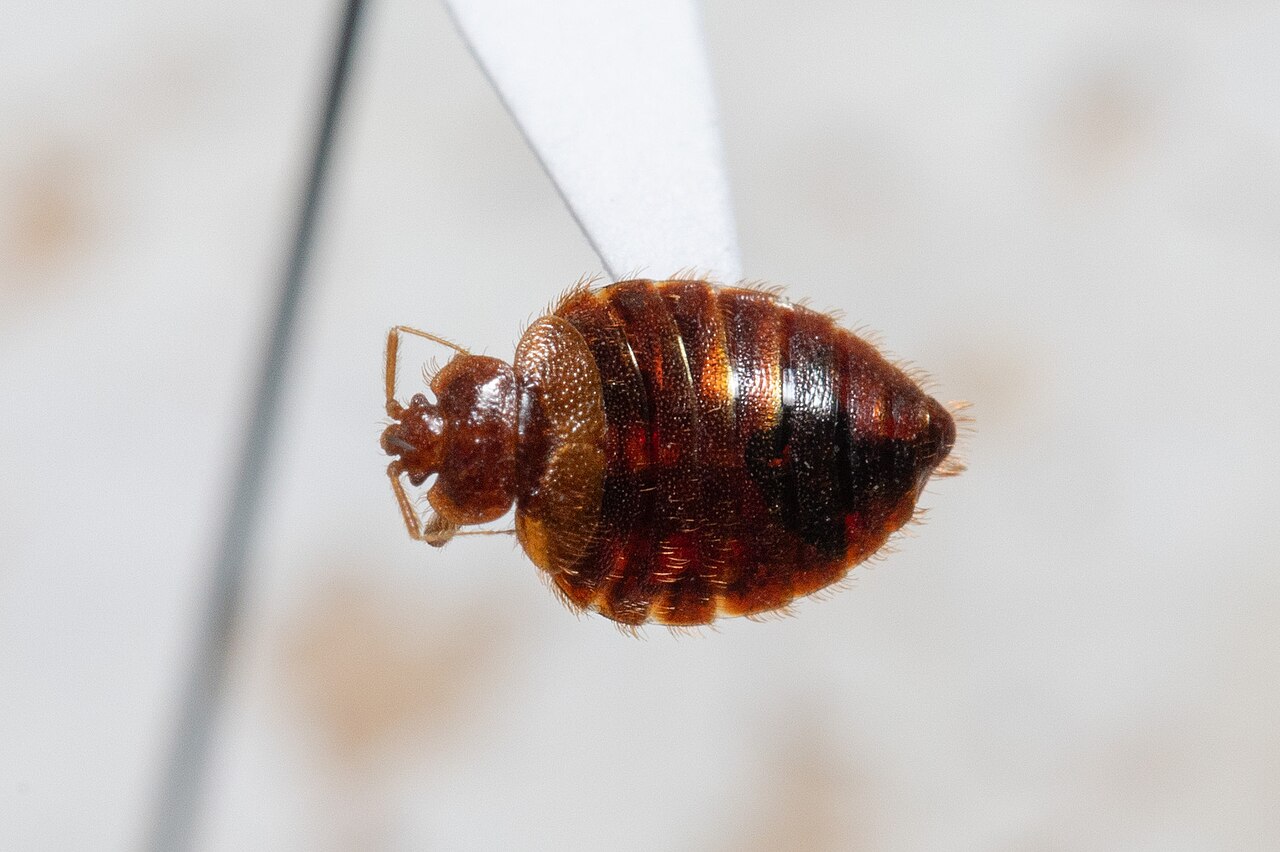
Bat bugs are bed bug cousins. Orkin Canada describes them as dark brown or red, about 6 mm long, flat, oval, wingless and hairy. To the naked eye, they look almost identical to bed bugs.
The giveaway is under magnification. Purdue University’s Plant and Pest Diagnostic Lab explains that the hairs on a bat bug’s upper thorax, just behind the head, are at least as long as the width of its eye. On a bed bug, those hairs are much shorter. A clear macro photo from your phone is often enough for a professional to tell.
Where you find them matters too. Bat bugs live with bats in attics, chimneys and wall cavities. They usually only show up in living areas after bats have left or been removed, and they can’t sustain themselves on people. If you’ve heard scratching in the attic or seen bats around your roofline, think bat bugs before bed bugs.
The fix is different. Bat bug control starts with getting the bats out and sealing their entry points, then cleaning and treating the old roost area. Bats are protected in Canada, so this is a job for a wildlife or pest professional, not a heater rental.
Carpet Beetles: Common in Toronto Closets

Carpet beetles cause a lot of false alarms. The City of Edmonton describes adult black carpet beetles as oval, dark brown to black and up to 5 mm long, which is close to bed bug size. Their larvae are small, fuzzy and striped, and people often find them crawling on walls, carpets and window sills.
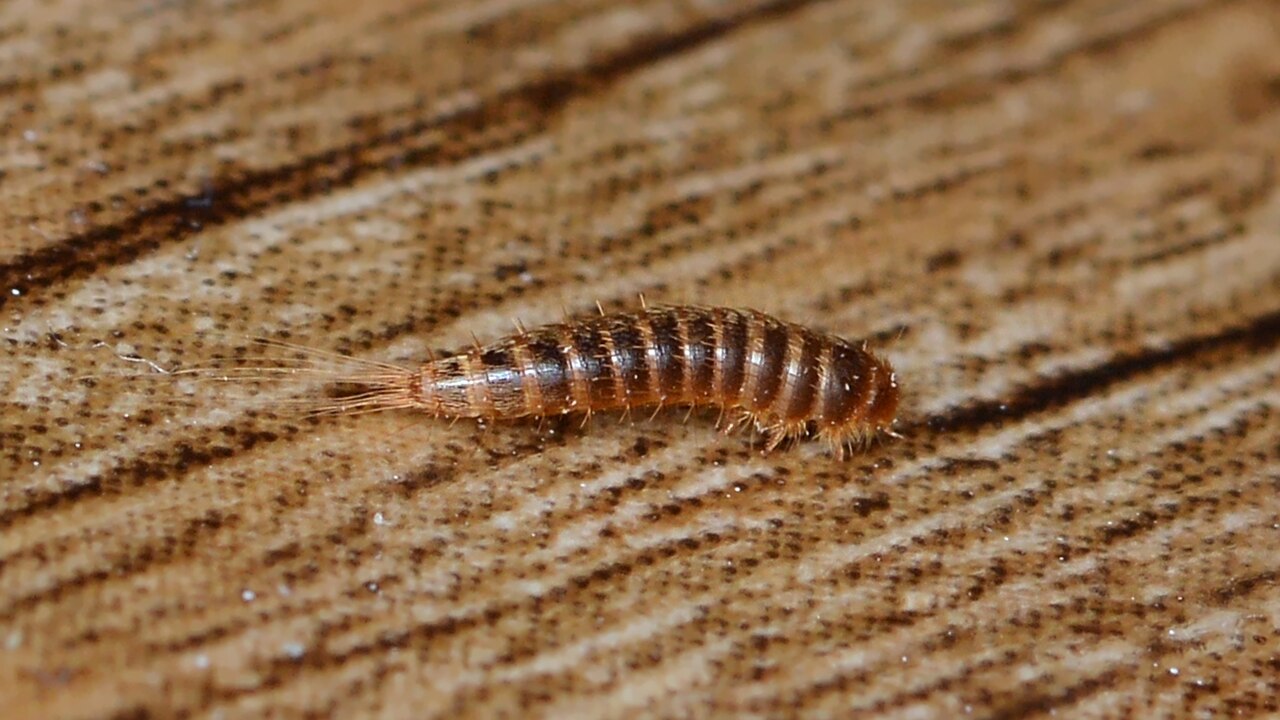
The difference is what they eat. Carpet beetles feed on natural fibres like wool, fur, feathers and lint, not blood. You’ll usually find them in closets, under furniture, in stored clothing and along carpet edges, not in mattress seams. Regular vacuuming and storing wool and natural fabrics in sealed containers go a long way.
Fleas: The Bug That Jumps
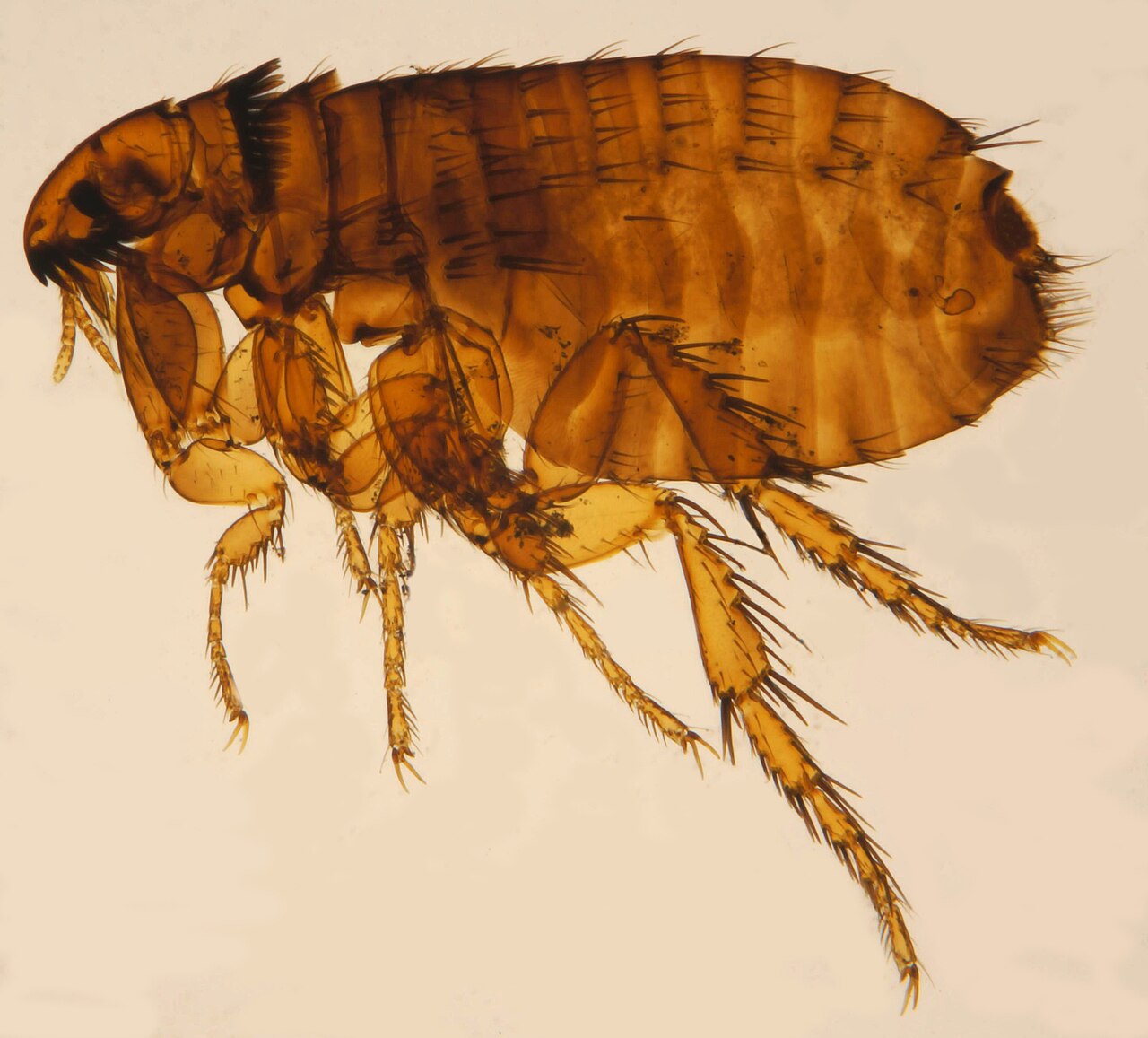
Fleas are smaller than adult bed bugs and much thinner from side to side. The easiest test is movement: if it jumps, it’s not a bed bug. Fleas are most common in homes with cats or dogs, and their bites tend to cluster around the ankles and lower legs. Check your pets and their bedding first.
Quick Comparison
| Bug | Size and look | Where you find it | What to do |
|---|---|---|---|
| Bed bug | Up to 10 mm, flat, oval, brown to red | Mattress seams, bed frames, furniture near beds | Heat treatment or a licensed exterminator |
| Bat bug | About 6 mm, like a bed bug but hairier | Near attics, chimneys, wall cavities | Wildlife or pest professional to remove bats first |
| Carpet beetle | Up to 5 mm, dark, rounder; larvae fuzzy | Closets, carpets, stored fabrics, window sills | Vacuum, clean and store fabrics sealed |
| Flea | Tiny, thin, jumps | Pets, pet bedding, carpets | Treat pets and their bedding |
How to Get a Sure ID in the GTA
- Catch one. Press clear packing tape over the bug, or seal it in a small zip bag. Don’t crush it.
- Take a sharp photo. Use your phone’s macro or zoom setting, with a coin or ruler beside it for scale.
- Get it checked. A licensed pest control company can identify it. In Toronto, you can also call 311 for Toronto Public Health information on bed bugs. You’re also welcome to text us the photo at 647-628-4066, and we’ll tell you honestly whether it looks like a bed bug.
If It Is Bed Bugs
Don’t panic, and don’t throw out your furniture. Heat kills bed bugs at every life stage, including eggs, when a room stays hot enough for long enough. Our DIY kit has 2 Elite 4 heaters, a fan, cords, power distribution boxes and a thermal gun. It’s $200 for one day (up to 2 rooms) or $375 for two days (up to 4 rooms), with delivery across the GTA or free pick-up in Scarborough. See the rental packages, or read how bed bugs get into homes so they don’t come back.
Bed Bug Look-Alikes: FAQ
What bug looks most like a bed bug?
The bat bug. It is a close relative of the bed bug and looks almost identical without magnification. The difference is in the hairs behind the head, which are longer on a bat bug.
Can bat bugs live in my bedroom without bats?
Not for long. Purdue University’s plant and pest lab says bat bugs are primary parasites of bats, not humans. They may wander into living areas and bite when bats leave, but they cannot sustain themselves there.
Do carpet beetles bite like bed bugs?
Carpet beetles feed on natural fibres such as wool, fur and lint, not on blood. They are often found in closets and stored fabrics rather than in beds.
Can bed bugs jump or fly?
No. Health Canada says bed bugs cannot fly or jump, and they cannot easily climb metal or polished surfaces. If the bug jumps, it is more likely a flea.
Will a heat treatment kill bat bugs?
Bat bug control starts with removing the bats and sealing their entry points, then treating the area near the old roost. That is a different job from bed bug heat treatment, and bats are protected in Canada, so call a wildlife or pest professional.